Koło Badań Psychologicznych Experior

Experior na HUMANITAS Global Congress of Flourishing 2025

W dniach 8–10 października 2025 r. w Akademii Humanitas w Sosnowcu odbyła się międzynarodowa konferencja naukowa HUMANITAS Global Congress of Flourishing, podczas której członkinie koła wygłosiły prezentacje pod tytułem:

♦ Julia Bilicka “Gender Differences in the Relationship Between Human Values and Compulsive Pornography Use”;

♦ Oliwia Kosecka “Caffeine Consumption Mediates the Relationship Between Study Addiction and Perceived Stress”;

♦ Alicja Lipińska “Study Addiction among Females with ADHD: The Moderating Role of Pharmacological Treatment”.

Serdecznie gratulujemy i życzymy dalszych sukcesów!

Link


Caffeine Consumption Mediates the Relationship Between Study Addiction and Perceived Stress

Autorstwa: Oliwia Kosecka, Stanisław Czerwiński, Paweł Atroszko
Na: HUMANITAS Global Congress of Flourishing 2025


Streszczenie: 

Problematic overstudying has been conceptualized as addictive behavior, so-called “study addiction.” Study addiction is negatively associated with general quality of life, general health, and sleep quality. Caffeine is a widely used stimulant that enhances readiness and the ability to remain mentally alert after fatigue. University students, especially those showing symptoms of problematic overstudying, may consume more caffeine to increase their academic performance. Previous research has shown that both study addiction and caffeine consumption are positively associated with general perceived stress. The study aimed to investigate the relationship between study addiction, caffeine consumption, and perceived stress in university students. It was hypothesized that study addiction, caffeine consumption, and perceived stress would be positively related, with caffeine consumption mediating the relationship between study addiction and stress. Sample 1 consisted of 444 university students, and Sample 2 consisted of 2392 university students. The Bergen Study Addiction Scale, Perceived Stress Scale-4 and a question about average daily caffeine consumption were used. The results showed that caffeine consumption partially mediated between study addiction and perceived stress. Students with high study addiction tend to consume more caffeine and, therefore, show higher stress levels. The results found in Sample 1 were cross-validated in Sample 2. They emphasize the importance of raising awareness about the negative health consequences of caffeine consumption among students with high study addiction. To promote flourishing in academic settings and beyond, limiting caffeine consumption and promoting healthy alternatives, such as rest when the body requires it, is recommended.

Słowa kluczowe: caffeine, problematic overstudying, stress, study addiction.

Czytaj dalej

Caffeine Intake Mediates the Relationship Between Problematic Overstudying and Psychological Distress

Opublikowane w Nutrients (140 pkt. wg. MEiN)

Autorzy: Oliwia Kosecka, Edyta Charzyńska, Stanisław K. Czerwiński, Agata Rudnik, Paweł A. Atroszko


Streszczenie:

Background: Problematic overstudying has been conceptualized as an addictive behavior (study addiction) and an early form of work addiction. The majority of students showing compulsive studying behaviors experience chronic and high stress and symptoms of generalized anxiety disorder. Caffeine is a widely used stimulant that enhances alertness and cognitive performance, especially under fatigue. University students, particularly those exhibiting problematic overstudying, may consume more caffeine to improve academic performance. Previous research has shown that caffeine consumption is positively associated with perceived stress and anxiety. This study examined the mediating role of caffeine consumption in the relationship between problematic overstudying and psychological distress (perceived stress, anxiety, and depression) among university students.

Methods: Sample 1 consisted of 436 university students, and Sample 2 included 3421 students. The Bergen Study Addiction Scale, Perceived Stress Scale-4, and a measure of average daily caffeine consumption were used.

Results: Results showed that caffeine consumption partially mediated the relationship between problematic overstudying and perceived stress. Students who study compulsively tended to consume more caffeine, which was, in turn, associated with higher perceived stress. This finding was replicated across both samples, and in the second, larger sample, caffeine intake also mediated between problematic overstudying and anxiety and depression.

Conclusions: Excessive caffeine use among students who manifest problematic overstudying may increase their risk of developing, or aggravate existing, symptoms of anxiety or mood disorders. Limiting caffeine intake and promoting healthy alternatives, such as rest and recovery, is recommended to support mental health in this population.

Słowa kluczowe: anxiety; caffeine; depression; stress; study addiction.

Czytaj dalej

Częstość występowania uzależnienia od uczenia się wśród studentów z zaburzeniami neurorozwojowymi


Wygłosiła: Oliwia Kosecka
Na: V Kongresie Młodej Nauki w Gdańsku


Streszczenie:

Zarówno w Polsce, jak i na świecie obserwuje się wzrost częstości diagnozowania zaburzeń neurorozwojowych. Należące do tej grupy dysleksja czy dyskalkulia definiowane są jako specyficzne trudności w uczeniu się. Ponadto, dotychczasowe badania wskazują, iż u osób z zaburzeniami neurorozwojowymi, takimi jak spektrum autyzmu czy zespół nadpobudliwości psychoruchowej z deficytem uwagi (ADHD), mogą występować zaburzone funkcje wykonawcze, co jest natomiast predyktorem niższych osiągnięć akademickich. Osoby doświadczające trudności w tym obszarze mogą odczuwać potrzebę ich kompensacji poprzez intensywniejszą naukę, a ta może stać się zachowaniem kompulsywnym, co prowadzi do uzależnienia od uczenia się. Uzależnienie od uczenia się związane jest z nadmiernym zaangażowaniem w naukę, które prowadzi do zaburzonego funkcjonowania w innych sferach życia i negatywnych konsekwencji zdrowotnych. Celem niniejszego badania była analiza częstości występowania uzależnienia od uczenia się wśród studentów neurotypowych oraz z zaburzeniami neurorozwojowymi. Przebadano 3387 studentów Uniwersytetu Gdańskiego, w tym 1777 z ADHD, 365 z dysleksją, 39 z dyskalkulią oraz 554 w spektrum autyzmu. Do pomiaru zmiennych wykorzystano Bergeńską skalę uzależnienia od uczenia się, Skalę samooceny objawów ADHD dla dorosłych, Kwestionariusz AQ do oceny cech autystycznych u osób dorosłych, a także pytania o posiadaną diagnozę dysleksji i dyskalkulii. W grupie osób neurotypowych odsetek osób spełniających kryteria uzależnienia od nauki wyniósł 16,7%, natomiast w grupie osób z jednoczesnym występowaniem ADHD, spektrum autyzmu, dysleksji i dyskalkulii – aż 42,3%. Zależność ta miała w dużej mierze charakter addytywny – każdemu kolejnemu zaburzeniu towarzyszył wzrost ryzyka uzależnienia. Wyniki te wskazują, iż uzależnienie od uczenia się może stanowić mechanizm kompensacyjny, pozwalający osobom z zaburzeniami neurorozwojowymi budować poczucie kontroli w obszarze edukacyjnym, mimo doświadczanych trudności. Zjawisko to wymaga dalszych badań, w szczególności pod kątem różnicowania adaptacyjnego i dezadaptacyjnego charakteru intensywnego uczenia się oraz ogólnego funkcjonowania akademickiego.

Czytaj dalej

Emotions and values as predictors of latent profiles of beliefs about Artificial General Intelligence (AGI) among high school students

Wygłosiła: Oliwia Kosecka

Na: International Sopot Youth Conference 2025: Where the World is Heading

Data: 23.05.2025r.


Streszczenie:

As AI becomes increasingly central to most life domains, understanding people’s attitudes
toward it and their predictors is crucial. Previous research has shown that people have mixed
feelings about AI and that beliefs about AI are associated with specific attitudes towards it
and traits. Typically, experienced emotions and values play an important role in formulating
attitudes and behaviors. This study examined how adolescents view artificial general
intelligence (AGI) and its development, and how their emotions and values predict those views.
A total of 658 high school students participated in the study. A latent profile analysis was
conducted based on two variables: the belief that AI will achieve a level of human thinking
and the belief that emotions will guide it. The results identified four profiles: (i) “AGI
Scientists,” who believe that AI will reach human-level thinking and be guided by emotions
(16.3%); (ii) “AGI Functionalists,” who believe that AI will reach the level of human thinking
but will not be guided by emotions (14.4%); (iii) “AGI Skeptics,” who believe that AI will
neither achieve the level of human thinking nor be guided by emotions (20.2%); and (iv) “AGI
Realists,” who are more balanced and uncertain on both counts (49.1%). These profiles showed
differences in terms of values of tradition and benevolence, as well as emotions of guilt, sadness,
and affection. The results suggest that emotions and values may contribute to shaping attitudes
toward AI.

Gala Aktywności Studenckiej i Doktoranckiej 2025

W środę 15 stycznia w Bibliotece Głównej UG odbyła się Gala Aktywności Studenckiej i Doktoranckiej, na której zostały rozdane m. in. Nagrody Rektora. Ich laureatami zostali również członkowie Koła:
  • Jadwiga Cichoń
  • Aleksandra Cupta
  • Oliwia Kosecka
  • Paweł Książek
  • Adrian Opala
  • Hubert Wydra
  • Aleksandra Wybrańska
Gratulacje!


Link do relacji z wydarzenia: Za nami III Gala Aktywności Studenckiej i Doktoranckiej! – Centrum Aktywności Studenckiej i Doktoranckiej UG

How adolescents view artificial general intelligence (AGI): Gender, autism spectrum risk, and personality as predictors of latent profiles of beliefs about AGI


Na: Sztuczna inteligencja i nowoczesne technologie w badaniach społecznych

Data: 21-22 listopada 2024

Wygłosił: Oliwia Kosecka


Streszczenie:

This study examined how adolescents view artificial general intelligence (AGI) and its development. Previous research has shown that people have mixed feelings about AI and hold diverse beliefs regarding the potential nature of AGI. As AI becomes increasingly central to technological progress and a more prominent part of everyday life, understanding attitudes toward it and their predictors is crucial. A total of 659 high school students participated in the study. A latent profile analysis was conducted based on two variables: the belief that AI will achieve a level of human thinking and the belief that emotions will guide it. The results identified four profiles: (i) “AGI Scientists,” who believe that AI will reach human-level thinking and be guided by emotions, suggesting it could have subjective experiences akin to human consciousness, potentially leading to emotional responses (16.3%); (ii) “AGI Skeptics,” who expect that AI will neither achieve this level of thinking nor be guided by emotions (20.2%); (iii) “AGI Realists,” who are more balanced and uncertain on both counts (49.1%); and (iv) “AGI Functionalists,” who expect that AI will be functionally equivalent to human intelligence but lacking an emotional aspect (14.4%). These profiles showed differences in terms of gender, openness to experience, cynical hostility towards humans, cynical hostility towards AI, and beliefs about how quickly AI will achieve human-level thinking. The theoretical and practical implications of these findings are discussed.

Czytaj dalej

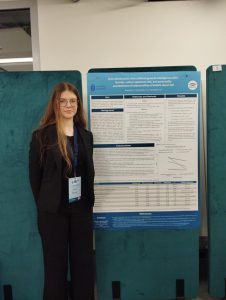
Oliwia Kosecka na konferencji PAN


21 listopada 2024 r, wiceprezes Koła Oliwia Kosecka wzięła udział w konferencji „Sztuczna inteligencja i nowoczesne technologie w badaniach społecznych”, organizowanej przez Instytut Psychologii Polskiej Akademii Nauk we współpracy z Centrum Nauki Kopernik. Zaprezentowała tam poster pt. “How adolescents view artificial general intelligence (AGI): Gender, autism spectrum risk, and personality as predictors of latent profiles of beliefs about AGI” stworzony wraz z dr hab. Pawłem Atroszko i Stanisławem Czerwińskim.

Gratulujemy!